The sheet is real· V
Your character
Twelve classes, forty subclasses, nine species, and a sheet that tracks all of it properly.
Last updated
How do you make a character?
Four ways: a guided wizard that only asks you the questions where you have a real decision, an express mode that picks the rest for you, one of forty-eight ready-made heroes built for the world you chose, or an upload of a sheet you already have, including a photograph of a paper one.
- 12
- classes, each with its subclass choice at level 3
- 40
- playable subclasses
- 9
- species, from Goliath to Tiefling
- 48
- feats: 10 origin and 38 general
The ready-made heroes are not filler
Forty-eight of them, twelve per world, each with a painted portrait, a full sheet you can read before you commit, and a hook that tells you how to play them.
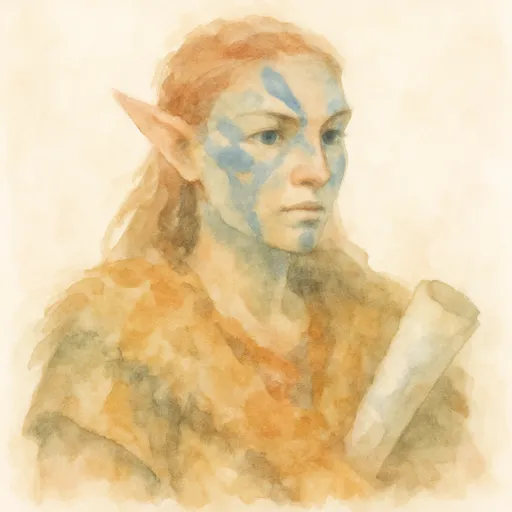
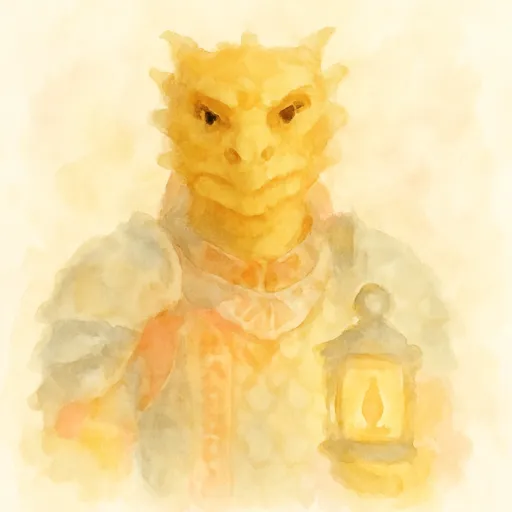
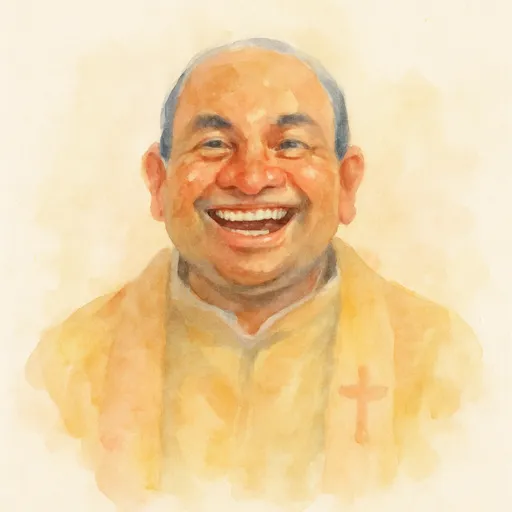
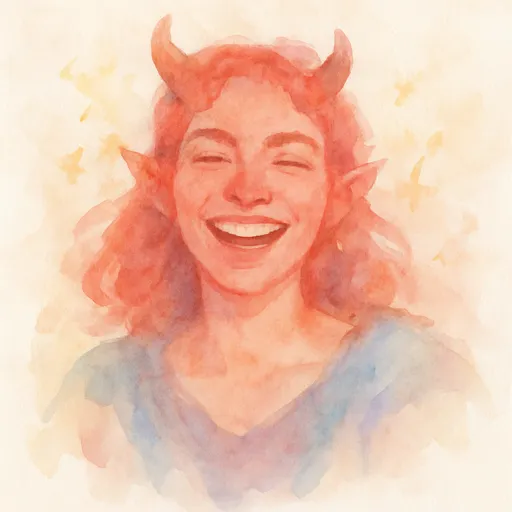
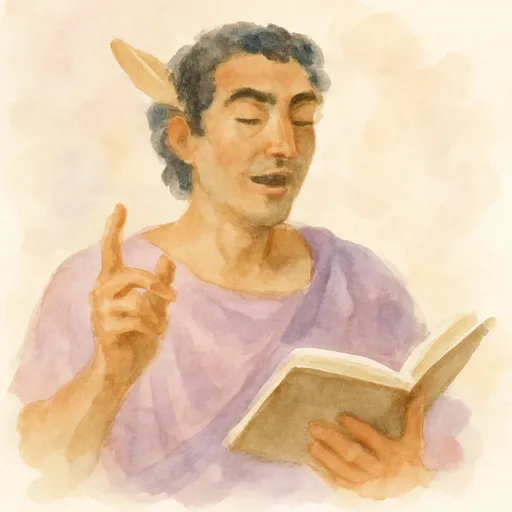
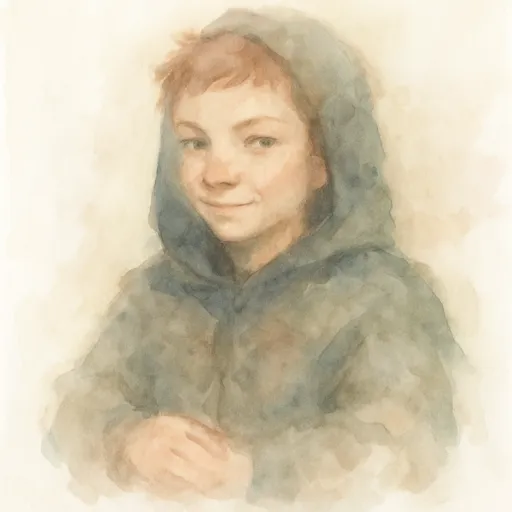
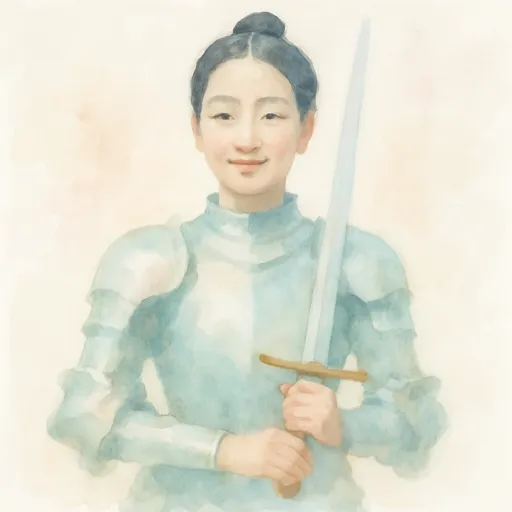
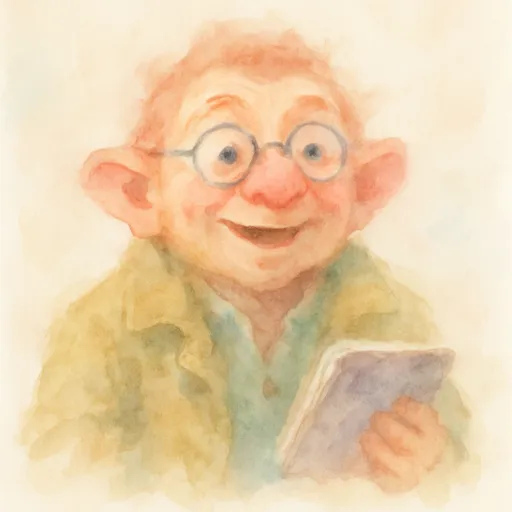
- Old Bartleby, Dwarf Wizard: an apprentice for 60 years, finally on his first quest and wildly overprepared.
- Pip Copperpocket, Halfling Rogue: a pickpocket who returns everything with a handwritten apology note.
- Dame Cecily, Human Fighter: a knight-errant with impeccable manners and a sword named Gerald.
- The Widow Esme, Human Warlock: pacted with something inside the Umbra, to fight the Umbra. Risky.
- Marrow, Gnome Druid: a hedge-witch who keeps borrowing animal shapes and forgetting to change back.
- Ashveil, Human Monk: trained to fight blind, because in the Umbra eyes are useless.
Each one carries quirks as well as statistics. Borin Oakenfist apologises to every chair, bench and barrel he reduces to splinters. Esme pauses mid-sentence to listen to a voice nobody else hears, turns her late husband's ring when the patron speaks, and refuses to say what she promised in return.
What the sheet tracks
Theron Ashwood
Level 5 Human Paladin
STR 16 / DEX 10 / CON 14 / INT 8 / WIS 12 / CHA 16
38 of 42 hit points
Ability scores and every derived modifier. All eighteen skills, with proficiency and expertise marked separately. Hit points, hit dice, temporary hit points, conditions, exhaustion, death saves. Spell slots by level, prepared and known spells, and what you are concentrating on. Equipment in real slots, inventory, currency, attunement. Class resources with their recharge, and features grouped by where they came from.
Armour class is a formula rather than a number somebody wrote down. Tap it and the app itemises the whole thing: base, armour and your dexterity within its cap, a shield, Fighting Style Defense, magic bonuses capped at +3, and Dual Wielder only when a real off-hand weapon is actually equipped. Two protective items that do the same thing are counted once, not twice.
Levelling up
Experience is tracked and levelling is a real wizard, not a chat command. It walks hit points, the ability score improvement or feat, your subclass when it is due, and new spells. Proficiency bonus, features and slots are applied for you, and it refuses to run until you have actually earned the level.
Multiclassing is not supported, and neither is retraining a character you have already built.
Can your hero leave the campaign they were made in?
Yes. A character you save belongs to you rather than to a campaign. Take them into another world and their level, ability scores, feats, spells known and backstory travel with them. Things that belong to a particular story, like hit points, inventory and quests, stay with that story.
Everyone you meet is built the same way
NPCs are not adjectives. Each one carries what it believes, what it wants, what it intends to do about it, and where it sits on a scale from self-sacrifice to outright sadism, with enough variation that two lawful good NPCs are never the same person. The shipped ones have labels like "guarded generosity, curdling into calculation under survival pressure" and "unreadable by design".

“Law is the only reliable form of mercy. It outlasts whoever wrote it.”