Living Worlds
Leave your mark on a shared world.
Your own campaign, in a world other adventurers are also living in. The bridge they rebuilt is standing when you reach the river. The villain they killed stays dead. What you do goes into the same shared record, and reaches them.
Free on every plan · authored adventures · the clock runs at real time
Brightvale · shared world clock
17th of Emberfall
3:14 in the morning
Real time, always. No plan makes it run faster.
A Living World does not advance on its own. Other players change it.
Arriving somewhere· I
Step into a world with a history
You are not the first adventurer here, and you will not be the last. Four choices put you in the middle of it.
- 1
Pick an authored adventure
Each adventure keeps its own shared world. Different adventures and different level tiers do not all share one map, and custom or imported settings use the other modes.
Choose an adventure
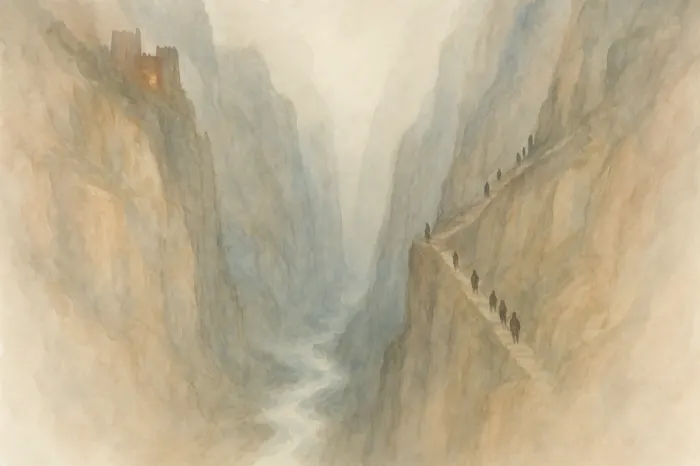
- Descent into the UmbraBrightvaleLevels 1 to 4
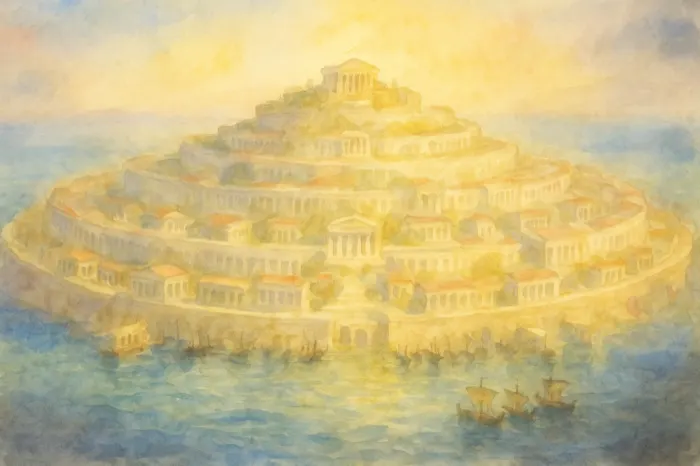
- The Western VoyagesOld ArmisLevels 1 to 4
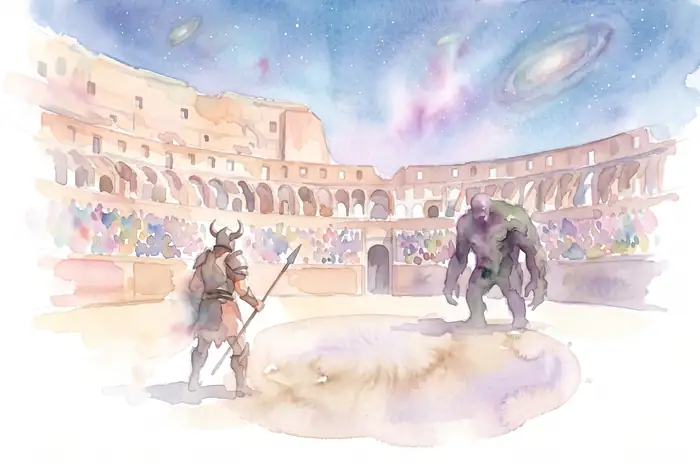
- Farthreshold: ArenaFarthreshold: ArenaAny level, 1 to 20
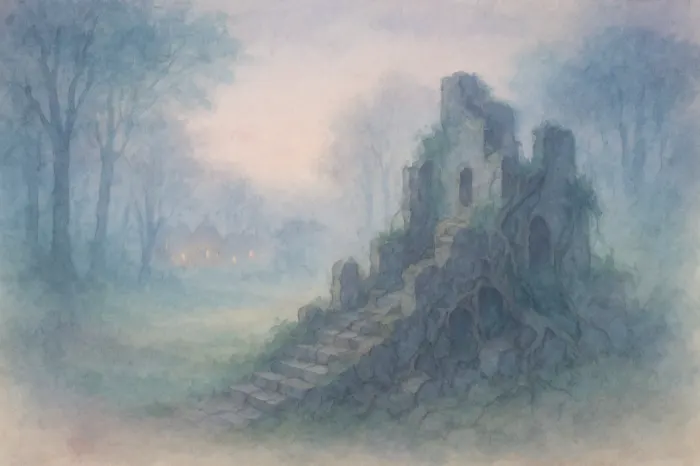
- The Shattered KeepThe Shattered CrownLevels 1 to 5
Each adventure keeps its own shared world
- 2
Choose Living World
On Choose Game Mode, take Living World instead of Single Player. Read what it tells you about real time, shared objectives and time away before you pick your hero, because all three are real.
Choose game mode
- Single PlayerPrivate. Story time bends to you.
- Online MultiplayerTwo to seven players, one party.
- Living WorldShared places. Real-time clock.
- 3
Make your mark
Play in your own words. Places you change stay changed, and deeds worth repeating become tales that reach other campaigns. You will walk into the consequences of theirs.
Entered into the record
The Ashgate warehouse burned to the waterline, and every ledger inside it with it.
Other campaigns of this adventure will hear about it
- 4
Leave a plan, come back to a story
Tell the Dungeon Master what you intend to do while you are gone. Come back to a recap: what finished, what happened, and what the world has been saying.
Standing orders
While I am gone I will keep the watch from the tower, and turn nobody away who comes to the gate.
The Dungeon Master plays them out while you are away
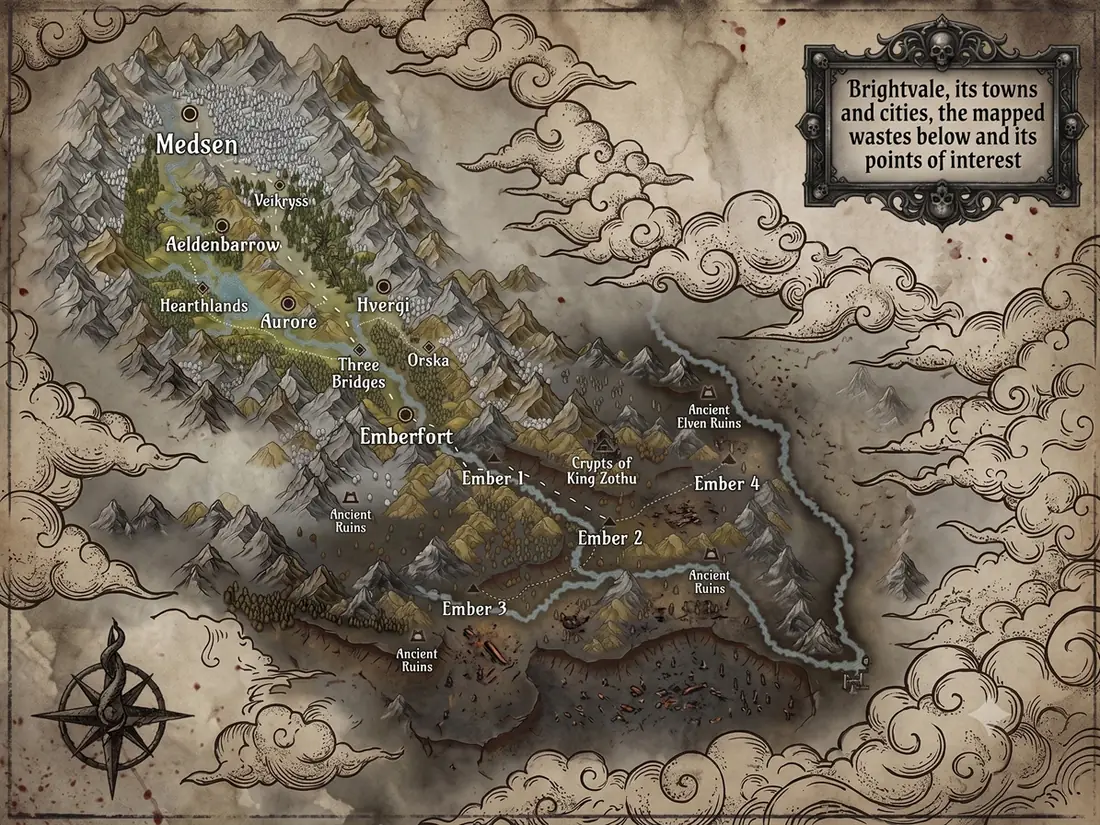
While you were gone· II
The world keeps a record
Two days ago
The Emberfort gate hangs straight again. A Venturer called Sabel paid the smiths and stood over them until it was finished.
Yesterday
The road south is clear as far as the mile-stone. Nobody at the inn will say what happened to the toll-keeper.
This morning
Fresh planks cross the river. A ranger named Kael paid the carpenters and they worked through the night.
Sabel and Kael are heroes in other campaigns of this adventure
- Objectives resolve once.
- If another hero kills the villain first, you inherit a world where the villain is dead, and the opportunities that follow from it.
- You inherit places, not scenes.
- You never share a live scene with another player. You arrive after them, or before them, and the world carries the difference.
- Your deeds travel too.
- Repair something, burn something down, make a name: other campaigns of the same adventure hear about it.
- More than one life, if you want it.
- You can keep several characters in the same Living World. Each is its own campaign and takes one of your slots, so they hear about each other exactly the way they hear about strangers.
What will you do?· III
See a story unfold
An example of play
Someone was here before you.
A long rest begins now and finishes after real time has passed. When you return, your own adventure continues in a world other players have been changing.
Kael is a hero in another campaign of this adventure. His deed changed a place you both visit. This example uses a standard eight-hour long rest; character rules can differ.
Leave your own mark
‘Bridge is still out,’ says the innkeeper. ‘You won't be crossing tonight.’ She sets a room key beside your supper.
You
I take the room and begin a long rest.
You settle upstairs. Rain ticks against the shutters as the inn falls quiet. Your rest has begun.
Eight real hours later · You return
You
I come downstairs and ask whether the bridge is still closed.
Your long rest is complete. Outside, fresh planks cross the river. ‘A ranger named Kael paid the carpenters,’ says the keeper. ‘Worked through the night, the lot of them. You'll get across now.’
The clock· IV
Time is the honest part.
Everything else in a Living World bends to what you do. The clock does not bend for anyone, including us.
- A three-day journey takes three real days.
- The shared clock runs at the speed of the one on your wall, for everybody in the world at once.
- A long rest takes eight real hours.
- That is the standard rest; character rules that shorten it still apply.
- You can play through it.
- Scenes happen along the way, and you can abandon an activity. What you cannot do is jump to the end of it.
- Combat waits for you.
- Leave in the middle of a fight and the fight is exactly where you left it. World news and elapsed time catch up once the swords are down.
- An hour away buys a catch-up.
- Come back after an hour or more and the Dungeon Master writes the interlude for you. It counts as one of your daily turns, and it will not kill your character or make the big decisions in your absence.
The Patch · Farthreshold
What a rest would have done for your hit points, without the hours.
Paid in coin
Coin buys healing, never hours. Nothing in the game, on any plan, makes the clock run faster than real time.
Coin buys healing, never hours
Farthreshold· V
Where heroes fight, in a world you share
At a multiplayer table heroes can simply fight; you are all in the same scene. A Living World is different, because you are never in a scene together. Everywhere else in one you only hear about other adventurers. In Farthreshold you can meet them, after a fashion.
- Publish your hero.
- The arena keeps a standing opponent: a snapshot of your character as they are now, sheet and gear and all.
- Others challenge it.
- While you are asleep, someone half a world away can step into the ring against your snapshot. You can challenge theirs the same way.
- You hear about it after.
- The Dungeon Master tells you how it went when you come back, win or lose, and your record is updated either way.
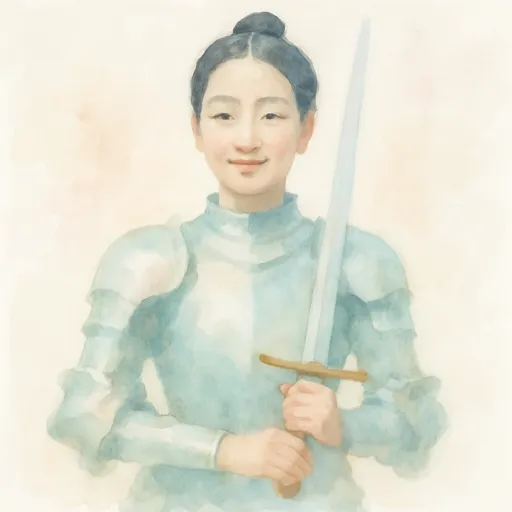
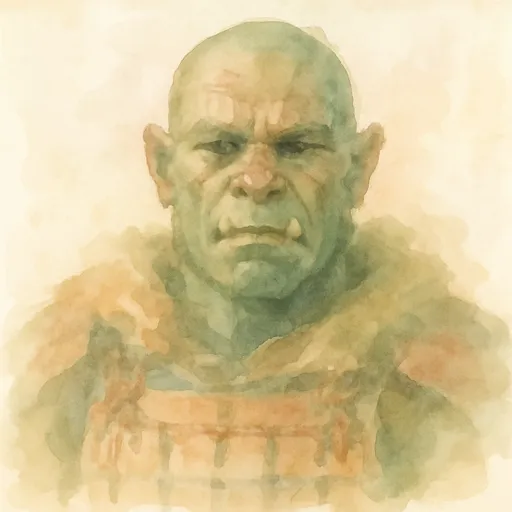
A snapshot fights a snapshot. Neither of you has to be awake for it, and the record is kept in exact numbers either way.
In a shared world· VI
Before you arrive
They are separate modes. Multiplayer puts two to seven players in one party and one conversation. In Living Worlds, you play your own campaign while other campaigns of the same adventure share its places and consequences. You hear tales and may meet narrative echoes of other heroes, but you never share a live scene with them, and trading is not part of the mode. Farthreshold is the exception: heroes there can be published as standing opponents and challenged in the arena.
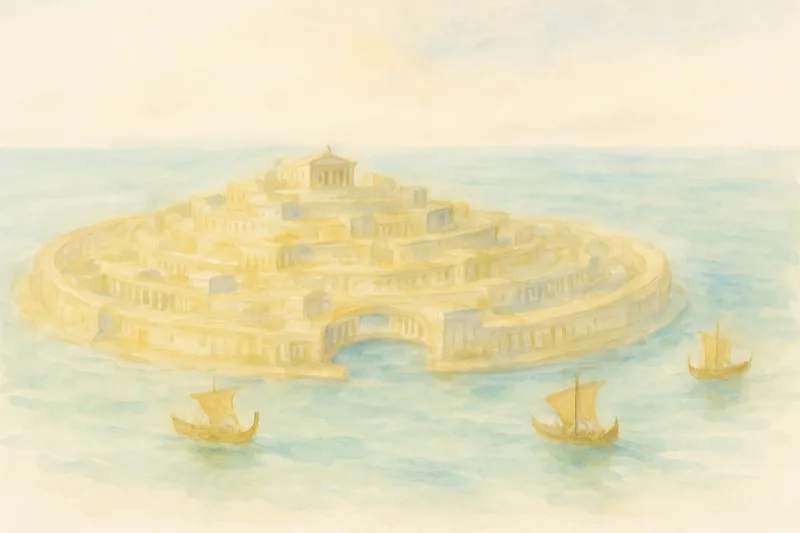
The other shared mode
Or share a party instead of a world
A multiplayer table puts two to seven of you in the same conversation, each playing a hero, with the AI running the adventure. Hosting is free, and everyone spends their own daily turns.
Read about multiplayer
The Story Continues
The Dice Are Waiting
Your first adventure is free. Your first character takes five minutes. The only thing standing between you and the dungeon is a single click.
What do you do?
Free · No credit card · Plays in your browser